Back to School Routine for Kids: Reset Screens and Chores Before Week One
Summer loosened everything. Here's how to build a back to school routine for kids that actually sticks: screen time, chores, sleep, and the order you tackle them in.

AJ Campos · Co-founder & CEO
· 5 min read
Back to School Routine for Kids: Reset Screens and Chores Before Week One
Summer does this every year. Bedtimes drift. Screens are on whenever. The chore chart that worked in April is somewhere under a pile of pool towels. Then August arrives and you have about two weeks to reverse three months of drift before the school bus shows up.
This is a back to school routine for kids that is actually buildable. Not a 12-step system. Not a color-coded binder. Just an order of operations that holds up under real family conditions.
Start With Sleep, Not Screens
Every September, parents try to fix screen time first. That is the wrong order.
Sleep is the load-bearing wall. When it collapses, everything else collapses with it. Pediatricians recommend starting the adjustment in mid-August, roughly two weeks before school begins. According to Dr. Casey Freymiller via WSAW, the approach is gradual: limit screens about an hour before bed, build a consistent wind-down routine, and walk kids through why the change is happening.
School-age kids need 9 to 12 hours of sleep. That number matters because it sets the math on everything else: wake time, homework window, screen window, dinner. Atlanta News First covered this in July, noting that the recommended school-night structure is homework first, then limited screens. That structure only works if there is enough time between dinner and bed to fit both.
Fix the sleep schedule first. The rest of the routine will snap into place more easily.
Back to School Screen Time: The Reward Problem
Here is what happens when parents use screens as the reward for finishing homework and chores.
Kids learn that screens are the point. Everything before screens, including homework, including chores, becomes an obstacle. Research covered by ABC17 News describes exactly this pattern: when screen time is the primary incentive, "homework, chores or family time start to feel like barriers to the reward." The dopamine loop reinforces it every time. You have now accidentally trained your kid to resent the things you need them to do.
The fix is structural, not punitive. Screen time becomes predictable and scheduled, not earned or withheld based on compliance. The distinction matters more than it sounds.
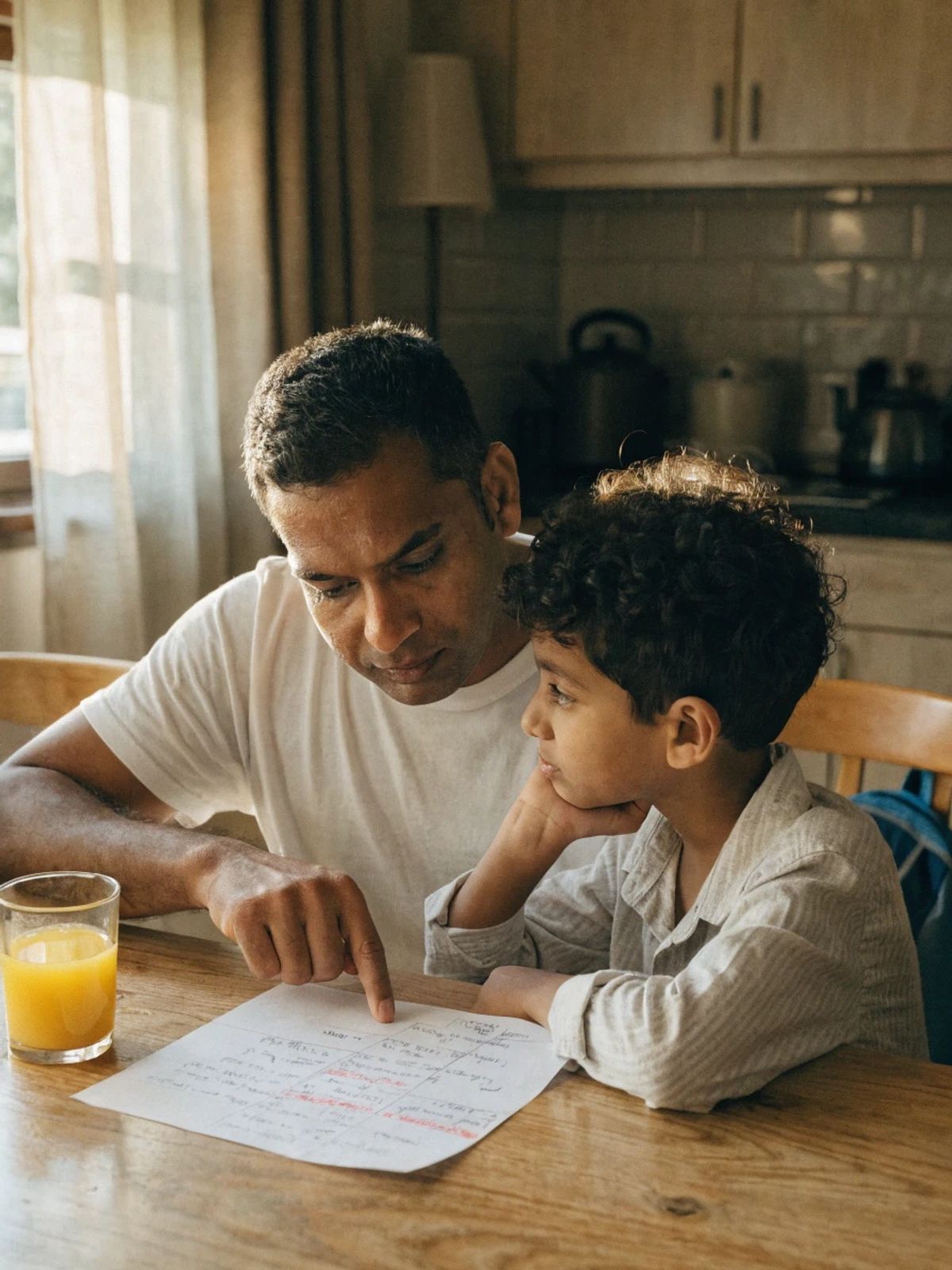
For back to school screen time, a workable school-night structure looks like this:
- School and activities
- Snack, 15-minute decompression
- Homework
- Chores (or before homework, depending on the kid)
- Dinner
- Screens, with a defined end time
- Wind-down routine, no screens for the last hour before bed
Screens are on the schedule. They happen. They are not negotiated. That removes most of the friction.
The School Year Chore Routine That Actually Runs
The Pinterest 2026 Parenting Trend Report recorded a +100% increase in searches for "life skills activities for kids". Parents are clearly thinking about this. Whether they are getting results is a different question.
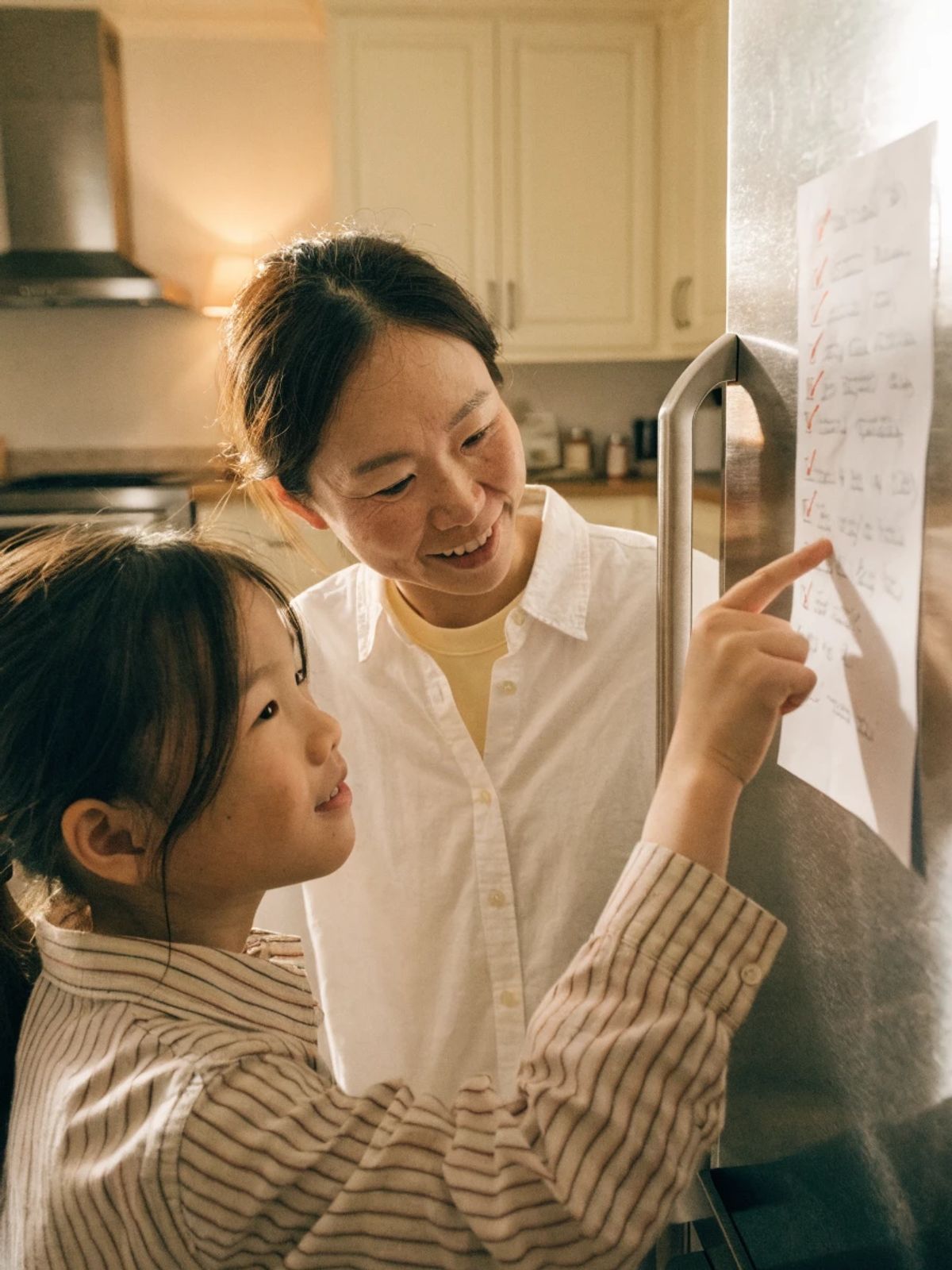
Chore charts fail for predictable reasons. The chart is passive. Nobody enforces it. Kids do not see a reason to care. The chart stops being consulted by October.
A school year chore routine that holds needs a few things:
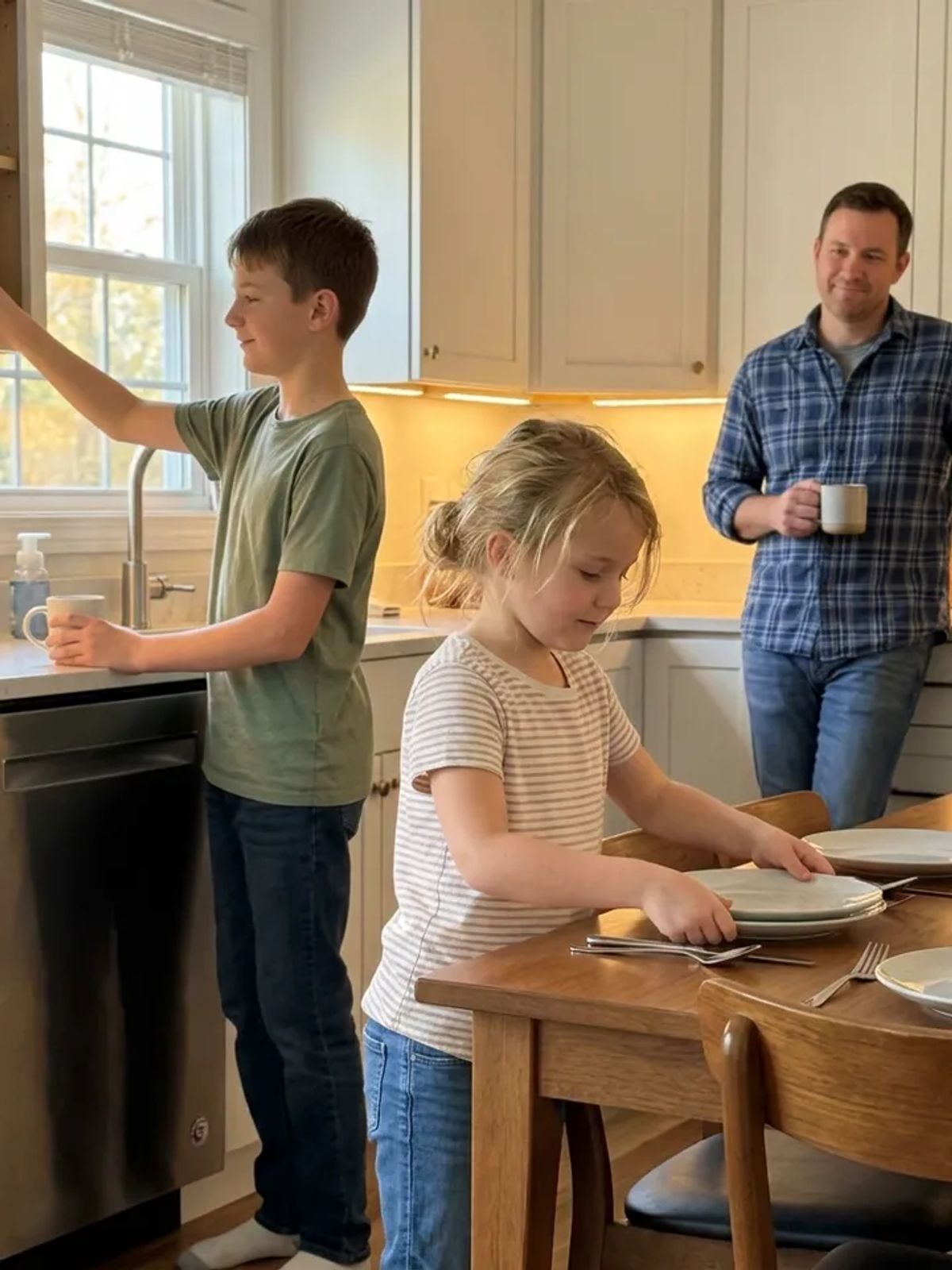
- Age-appropriate tasks. A 7-year-old and a 14-year-old should not have the same list. If you want specifics, this breakdown by age is a good place to start.
- A visible system. Kids need to see progress. Adults do too, for that matter.
- Consistency over perfection. A chore done badly on Tuesday is still a data point. The routine survives imperfect weeks.
- No sibling competition. Pitting kids against each other for chore completion introduces drama you do not need. The family works toward something together or the system collapses when one kid checks out.
For a fuller breakdown of what makes a family chore system actually run, this post on family chore systems that work covers the mechanics.
Kids Back to School Schedule: The Week-One Template
The first week of school is not the week to introduce new systems. The first week of school is already a stress test. Kids are recalibrating socially, academically, and physically.
Build the routine the week before school starts. Run it like a dress rehearsal. Wake up at school time. Follow the homework-first structure even if there is no homework yet (use the time for reading or something low-key). Practice the wind-down. Let the kids see what the schedule actually feels like before there are grades attached to it.
When school starts, you are maintaining a routine that already exists. That is a much easier position than building one under live conditions.
The Screen Time Reset
If summer was genuinely unstructured on screens, expect about two weeks of friction when you reset. That is normal. It is not a sign the new routine is failing.
A few things that make the screen time reset easier:
- Name the change explicitly. Tell kids what is changing and why. "School is starting. Here is the new schedule. Screens happen here, after homework." No lecture. Just the facts.
- Do not negotiate the schedule daily. The schedule exists. It is not up for re-litigation every afternoon.
- Expect the first week to be imperfect. You are not failing if Tuesday is messy. You are building a habit, and habits take repetitions, not perfect execution.
On the screens-as-rewards question specifically: if you have been using screen time as the primary lever for compliance, this post on screen time rewards for kids walks through why that approach backfires and what works instead. The short version is that intrinsic motivation is more durable than transactional motivation. The data on extrinsic motivation bears this out.
For a broader look at how to think about screen time without spiraling into guilt, this no-guilt guide to screen time is worth reading.
One More Thing Worth Knowing
We are building an app called Chore Battles. The basic idea: chores power a creature that grows, and the whole family fights a weekly boss together using chore completions as hits. No sibling-vs-sibling competition. Kids earn points toward a rewards store that parents control. Parents get photo verification and a PIN-protected dashboard.
The design comes directly from what makes chore systems break: passive charts, missing accountability, no reason for kids to care, and reward structures that accidentally teach the wrong lesson.
Chore Battles is COPPA compliant, carries no targeted ads aimed at kids, and never sells data. It is free to download, with an optional premium tier.
If that sounds like something worth watching, you can join the Chore Battles waitlist at yulixis.com.
The routine does not have to be complicated. Sleep first, then the schedule, then screens in their place. Start two weeks early. Run a dress rehearsal. Expect the first week to be rough anyway.
That is the system. It is not interesting. It works.
Chore Battles
A chore tracker that runs like a game — creatures that grow, a weekly family boss, and a leaderboard that resets every Monday. Free to download.
Join the waitlist